
How does the water ripple effect work to create a dynamic visual experience?
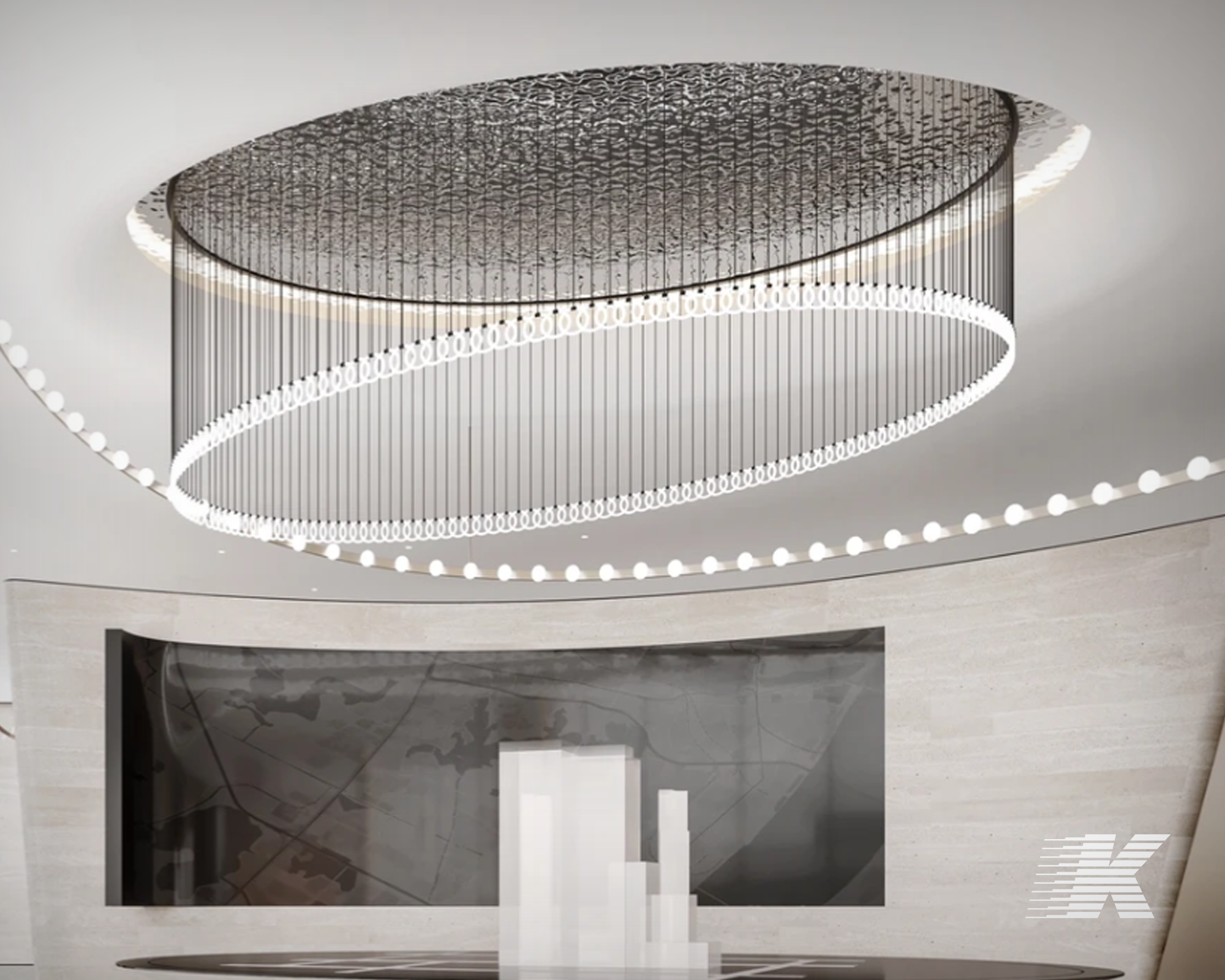
Understanding the Water Ripple Effect
The water ripple effect is a fascinating phenomenon that occurs when an object disturbs the surface of water. This disturbance causes waves to propagate outward, creating a series of concentric circles. This visual effect can be incredibly dynamic, as the movement of the ripples can change based on various factors such as the size of the object, the speed at which it enters the water, and the properties of the water itself.
When we observe the ripple effect, our eyes are drawn to the fluid motion and changing patterns. Each ripple interacts with its neighbors, creating a complex dance of light and shadow. As these waves travel, they also distort the reflections above the water surface, adding depth to the visual experience. It’s this combination of motion and reflection that can make the water appear almost alive, inviting viewers to engage more deeply.
Furthermore, the ripple effect can evoke different emotional responses depending on the context in which it is viewed. For instance, gentle ripples can create a sense of calm and tranquility, while larger, more chaotic waves might generate feelings of excitement or even anxiety. This versatility makes the water ripple effect a powerful tool in visual arts and design, where brands like Kuometal understand that “Custom Starts at One.”
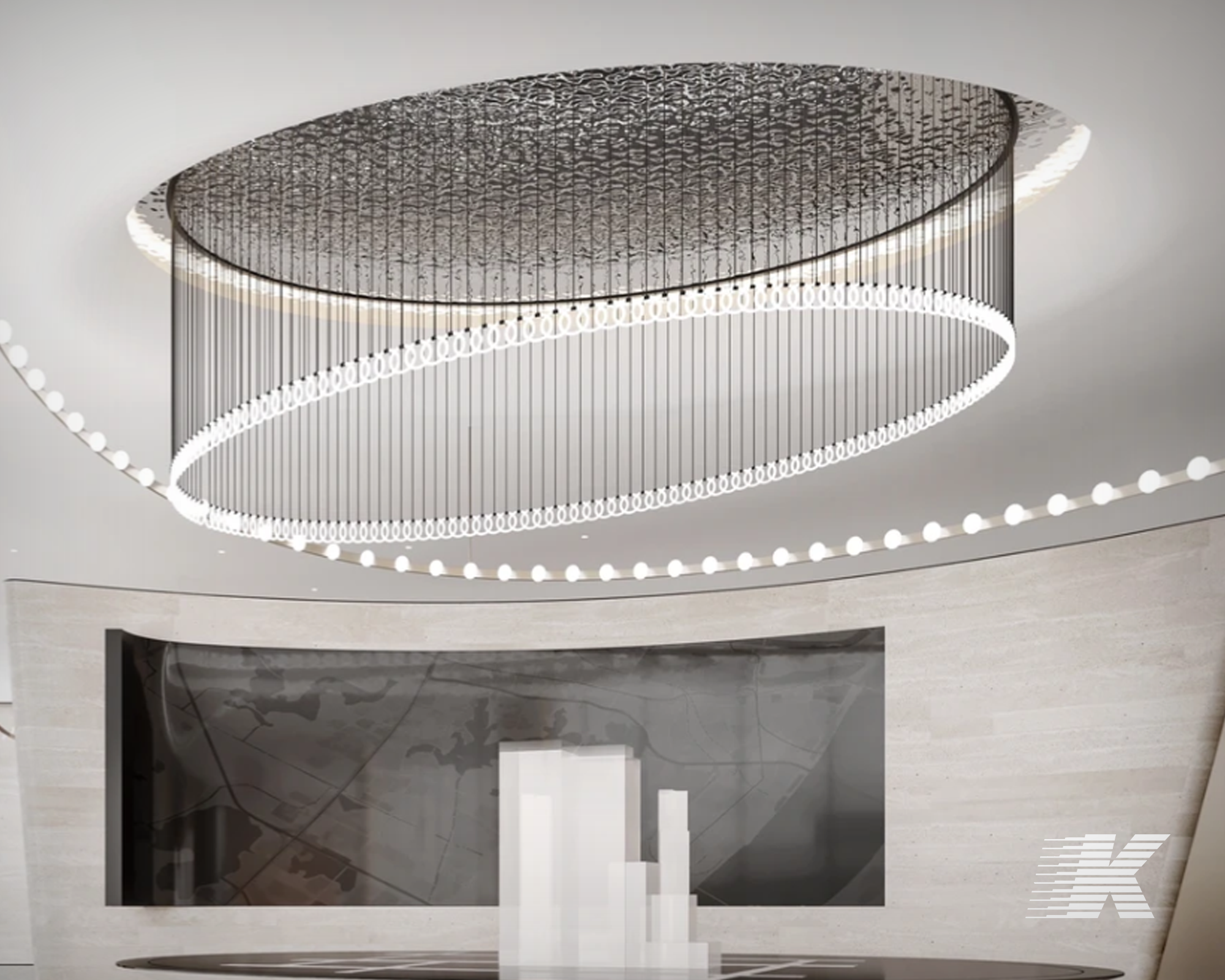
Applications in Visual Design
In graphic design and multimedia, the water ripple effect can be used to create engaging backgrounds or transitions. By incorporating this effect, designers can evoke a sense of fluidity and movement that captures the viewer's attention. The key is to balance the intensity of the ripples with the overall aesthetic of the design, ensuring that it enhances rather than distracts from the main content.
Moreover, animations featuring the ripple effect can lead to a more interactive experience for users. When combined with user inputs—like mouse movements or clicks—the ripples can react in real time, creating an immersive environment. This interactivity not only makes the experience more enjoyable but also helps to reinforce brand identity, especially for companies like Kuometal, which emphasizes that “Custom Starts at One.”
As technology continues to evolve, the implementation of the water ripple effect will likely become more sophisticated. With advancements in rendering techniques and graphics processing, designers will have even greater tools at their disposal to create stunning visuals that captivate audiences. Whether it's through simple animations or complex interactions, the potential for creativity is limitless.
The Science Behind Ripples
The science of ripples involves principles of physics, particularly fluid dynamics. When an object enters the water, it displaces some of the liquid, causing the surrounding water molecules to move. This displacement sets off a chain reaction, with each molecule transmitting energy to its neighboring molecules, resulting in the characteristic wave patterns we observe.
Interestingly, the behavior of ripples can change based on several factors such as water temperature, density, and even the presence of obstacles. These variations can lead to unique ripple patterns, making every visual experience distinct. The unpredictability of this natural phenomenon adds an element of surprise and wonder, enhancing the overall aesthetic appeal in visual compositions.
Artists and designers can harness these scientific principles to create visually striking pieces. By understanding how ripples interact with light and shadow, they can manipulate these elements to produce captivating effects. As emphasizes by Kuometal, “Custom Starts at One,” every detail matters when crafting a unique visual experience that resonates with the audience.