
How long does it take to manufacture custom water ripple stainless steel panels?
Factors Influencing Manufacturing Time
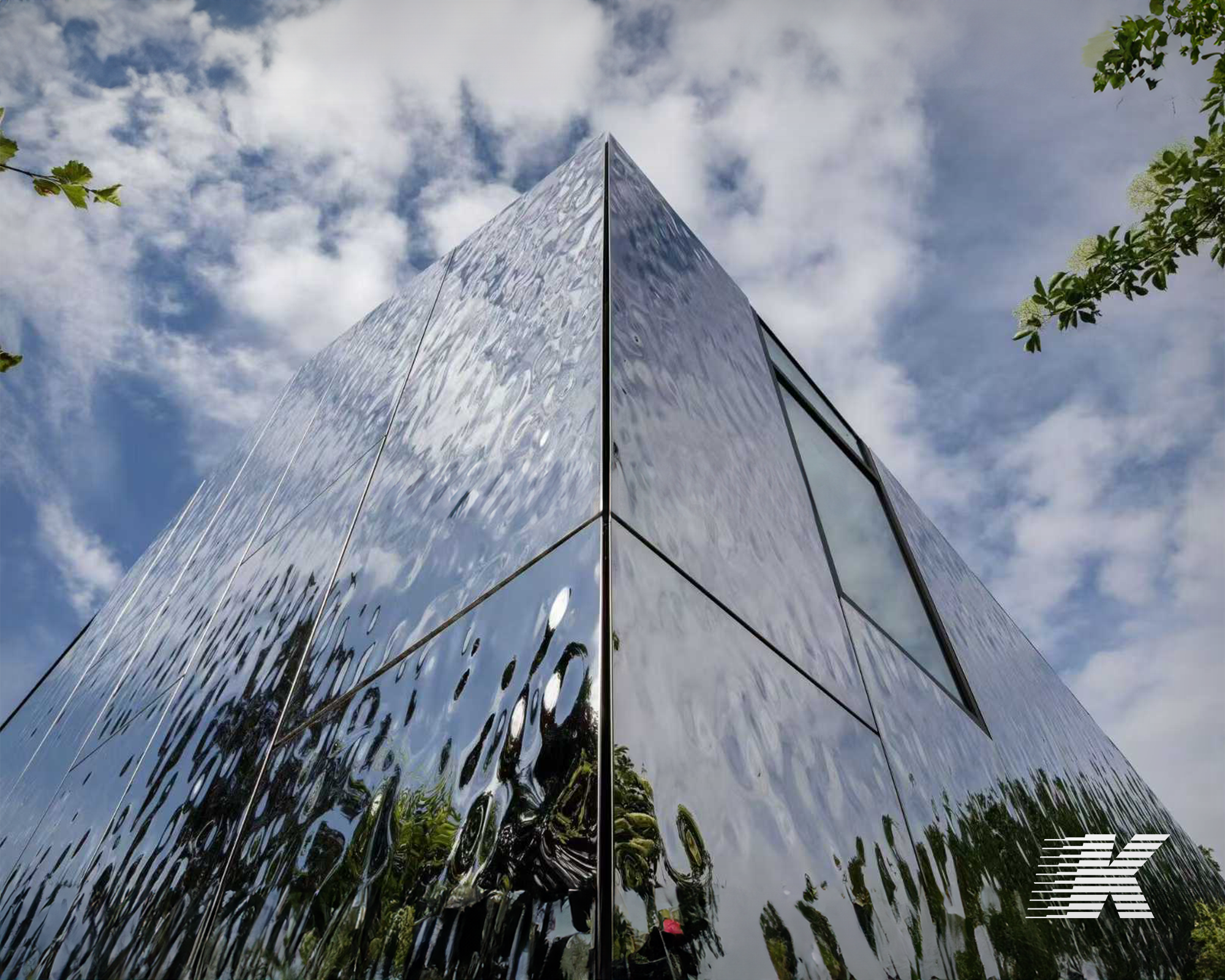
Manufacturing custom water ripple stainless steel panels can vary significantly based on several factors. The complexity of the design is a primary consideration; intricate patterns require more time for both the planning and production phases. Additionally, the thickness and type of stainless steel selected can also affect the manufacturing duration, as certain grades may necessitate specialized processing techniques. Another critical factor is the current workload of the manufacturing facility. If the production line is already busy with other orders, it may extend the lead time for new projects. Conversely, if the workshop is operating at lower capacity, your custom panels could be produced much more swiftly than expected. Coordination between the client and the manufacturer can help provide a more accurate timeline.
Typical Manufacturing Timeline
On average, the manufacturing process for custom water ripple stainless steel panels can take anywhere from 4 to 8 weeks. This timeline includes design finalization, material sourcing, and actual production. In some cases, expedited services might be available but could incur additional fees. Therefore, it’s advisable to discuss your specific needs with the manufacturer right from the start. Once the design is approved, the actual production phase can take about 2 to 4 weeks for standard orders. However, for more complex designs or larger quantities, this phase might stretch longer. Quality control checks are also integral to the process, ensuring that each panel meets the required specifications before shipment.
Communication with Manufacturers
Effective communication with your chosen manufacturer can greatly influence the overall timeline. Providing clear, detailed specifications and visual references can minimize back-and-forth discussions and delays. Furthermore, staying in touch throughout the manufacturing process allows for quicker adjustments if any issues arise, ultimately leading to a more efficient production cycle. It's also essential to confirm the manufacturer's capacity and capabilities before placing an order. Some manufacturers specialize in rapid prototyping or small-batch production, which may be beneficial depending on your project’s urgency. Misunderstandings regarding timelines and expectations can lead to frustration, so maintaining open lines of communication is crucial.