
Are water ripple stainless steel panels resistant to corrosion?
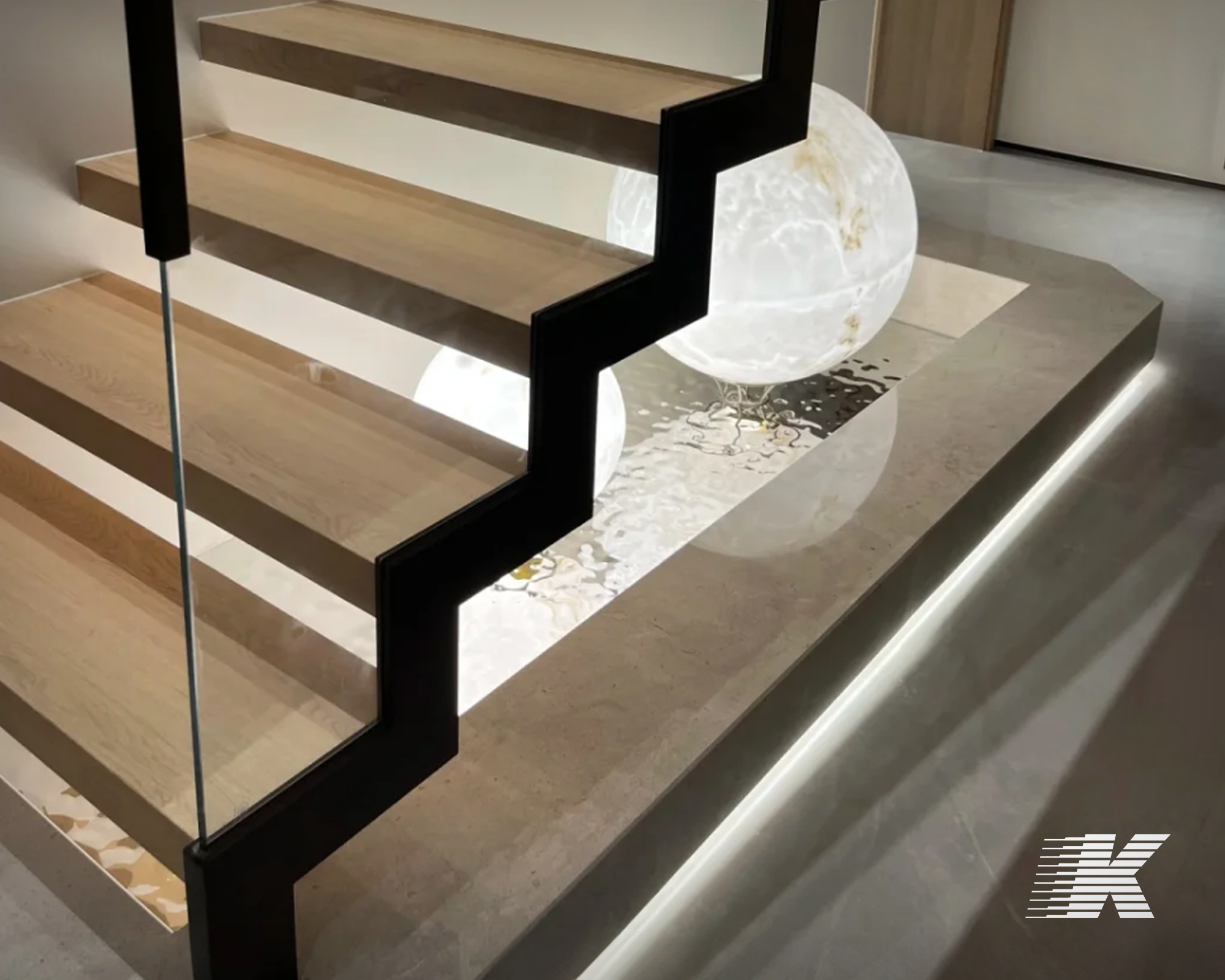
Understanding Water Ripple Stainless Steel Panels
Water ripple stainless steel panels are a popular choice in modern architecture and interior design due to their unique aesthetic appeal. These panels feature a wavy surface that creates a visually interesting texture, making them ideal for decorative applications. However, one of the most critical factors to consider when choosing any material is its resistance to corrosion. The corrosion resistance of water ripple stainless steel panels largely depends on the type of stainless steel used. Generally, stainless steel alloys contain chromium, which forms a protective layer on the surface, preventing rust and corrosion from environmental factors. This makes these panels suitable for both indoor and outdoor use, where they may be exposed to moisture and other corrosive elements. Furthermore, the quality of the finish on the panels can also affect their resistance to corrosion. A well-finished surface will have fewer imperfections, reducing the risk of corrosion over time. Regular maintenance and cleaning can help prolong the life of the panels, ensuring they remain stunning and functional for years to come.
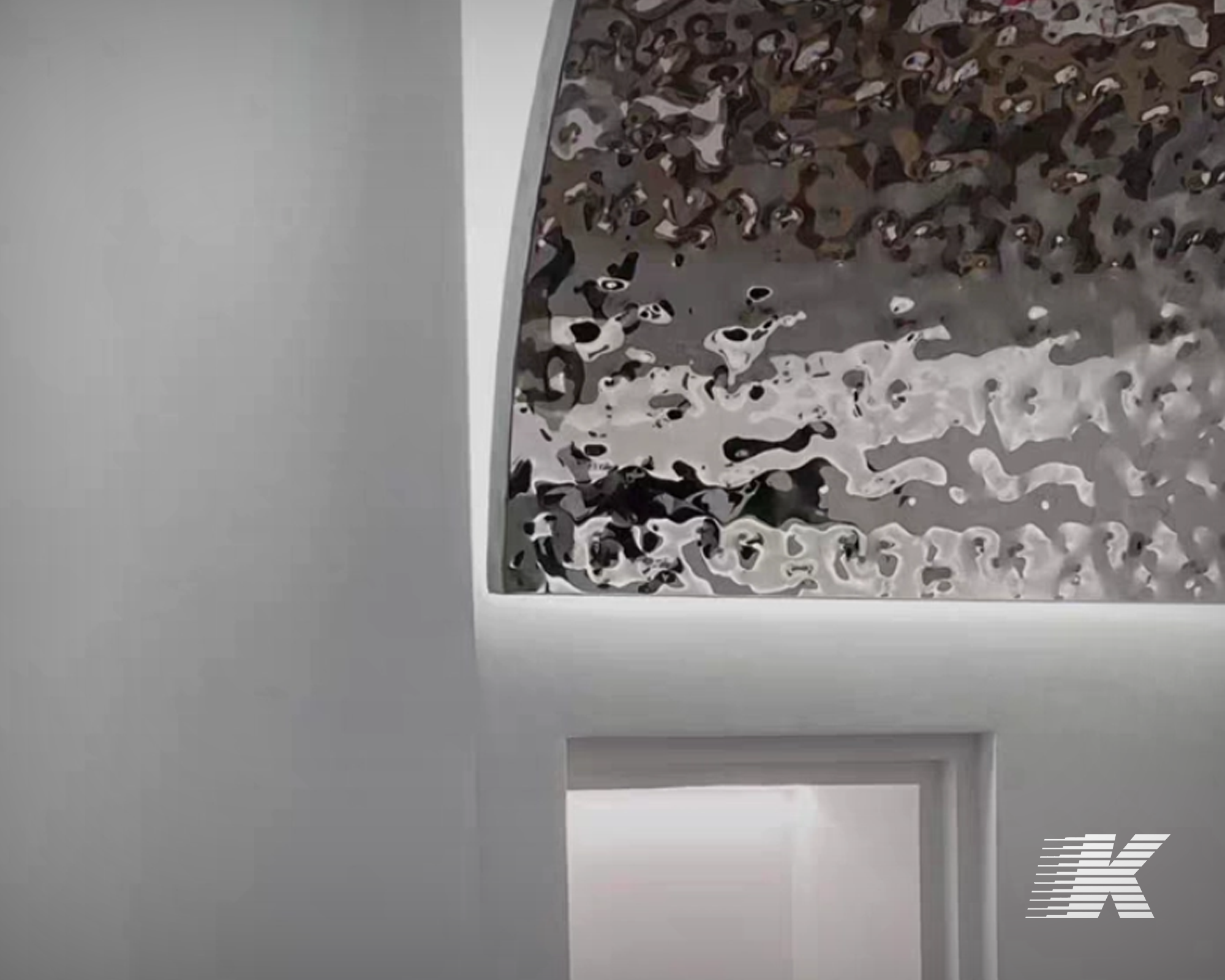
Factors Influencing Corrosion Resistance
Several factors influence the corrosion resistance of water ripple stainless steel panels. One significant factor is the environment in which the panels are installed. High humidity, exposure to saltwater, and other harsh conditions can accelerate corrosion processes, even in stainless steel. Therefore, it’s essential to evaluate the expected environmental conditions before selecting the appropriate panel grade. Another important consideration is the thickness of the stainless steel used in the panels. Thicker panels tend to offer better protection against corrosion, as they provide more material for the protective chromium layer to work effectively. Additionally, the manufacturing process can also impact the overall durability of the panels, with higher quality production techniques leading to improved corrosion resistance. Regular inspections and maintenance are crucial to ensure that water ripple stainless steel panels remain in optimal condition. It is advisable to clean the panels periodically using gentle cleaning agents to remove any contaminants that could lead to corrosion, such as dirt, grime, or salt deposits.
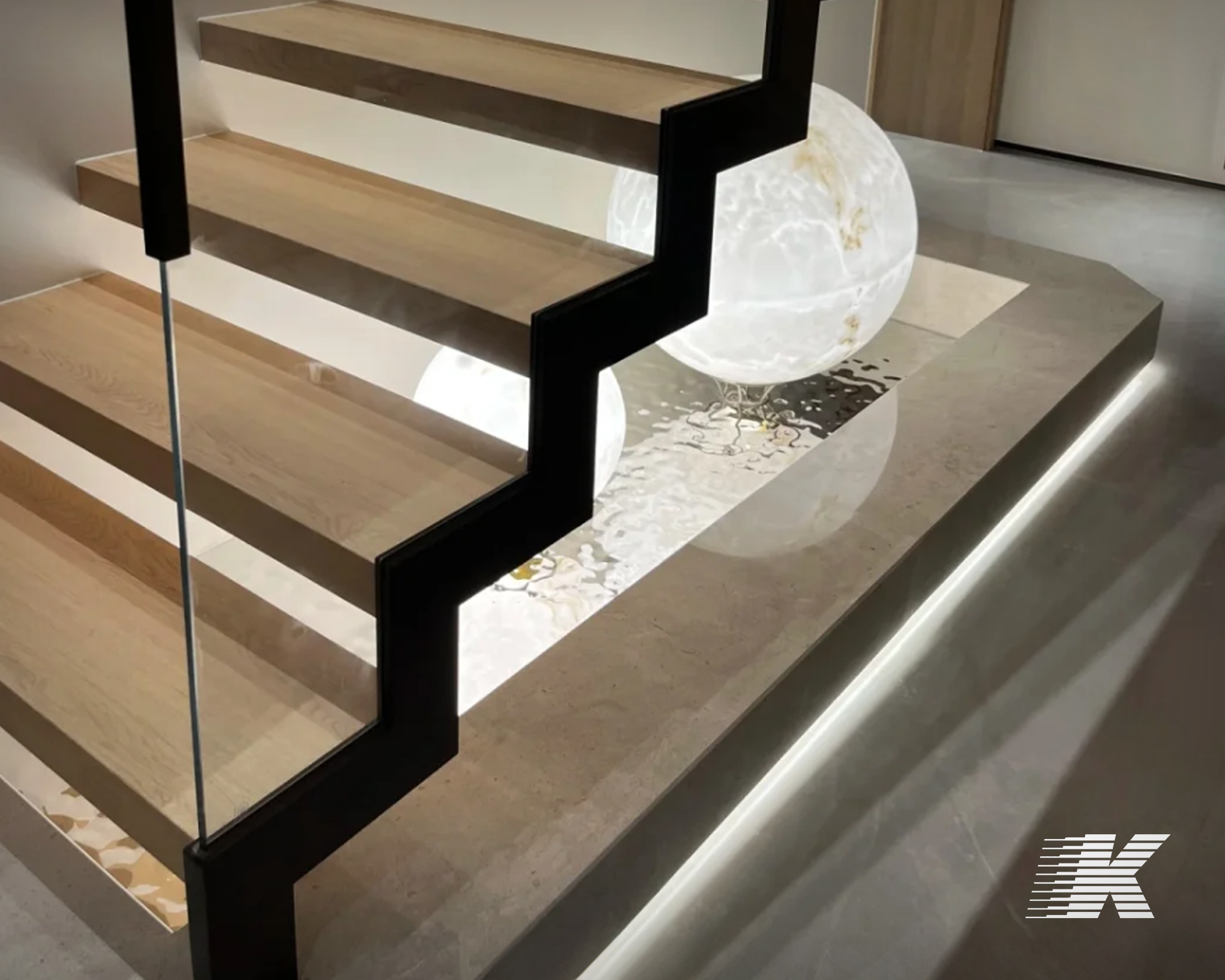
Conclusion on Durability and Maintenance
While water ripple stainless steel panels are generally resistant to corrosion, proper care and maintenance play a vital role in their longevity. It is important to note that despite their inherent properties, no material is entirely immune to the effects of corrosion. Factors such as environmental exposure and maintenance practices significantly influence how well the panels perform over time. In summary, to maximize the durability of water ripple stainless steel panels, it is essential to choose high-quality materials, consider the installation environment, and perform regular maintenance. By doing so, you can ensure that your panels not only look beautiful but also withstand the test of time and resist corrosion effectively.