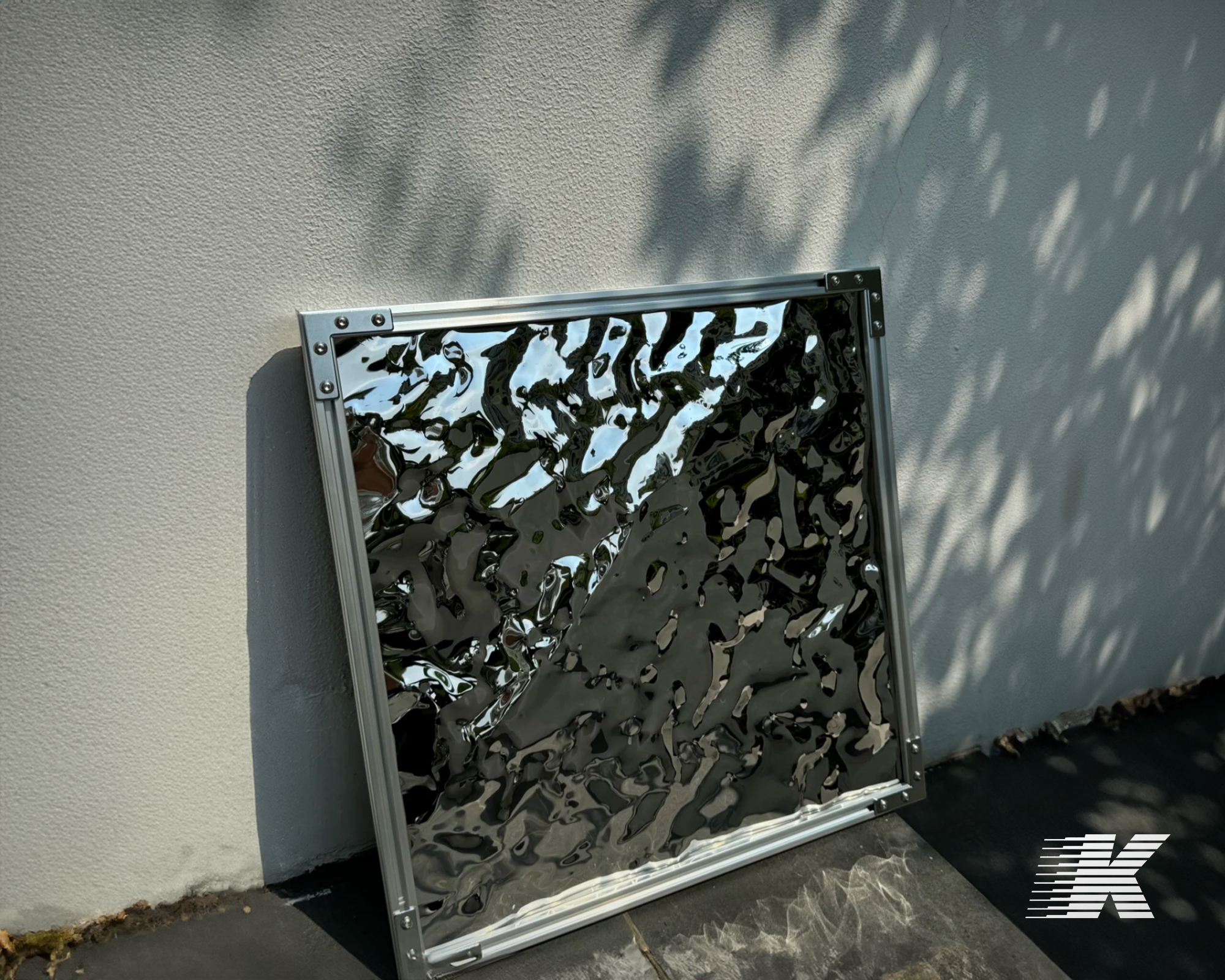
How do water ripple stainless steel panels compare to traditional metal wall panels?
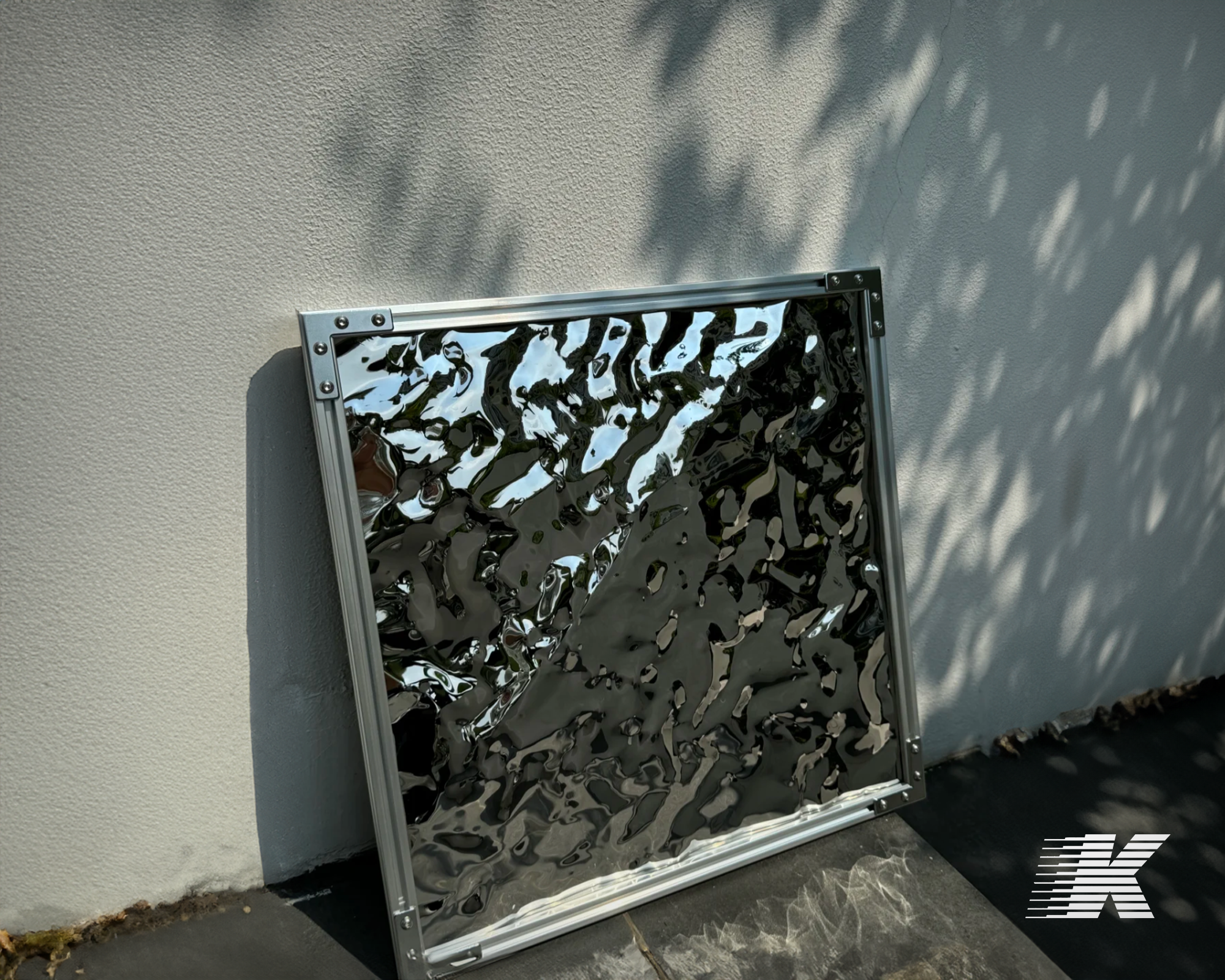
Advantages of Water Ripple Stainless Steel Panels
Water ripple stainless steel panels offer a distinctive aesthetic appeal that sets them apart from traditional metal wall panels. These panels feature a unique texture that mimics the gentle undulations of water, creating an eye-catching visual effect. This design not only enhances the overall look of a space but also provides a dynamic surface that can reflect light in interesting ways, adding depth and character to walls. The durability of water ripple stainless steel panels is another significant advantage. Unlike traditional metal wall panels, which may be prone to rust or corrosion, stainless steel is highly resistant to these issues. This makes it an ideal choice for various environments, including coastal regions where saltwater exposure can be detrimental. Additionally, Kuometal's Custom Aged Metal Decorative Panels are designed to withstand harsh weather conditions, ensuring they maintain their beauty and functionality over time. Furthermore, the customization options available with water ripple stainless steel panels allow for personalized designs that cater to individual preferences. Whether it's a specific color, finish, or pattern, clients can collaborate with designers to create a unique product that perfectly fits their vision. This level of customization is often lacking in traditional metal wall panels, making water ripple options a more appealing choice for those seeking something special.
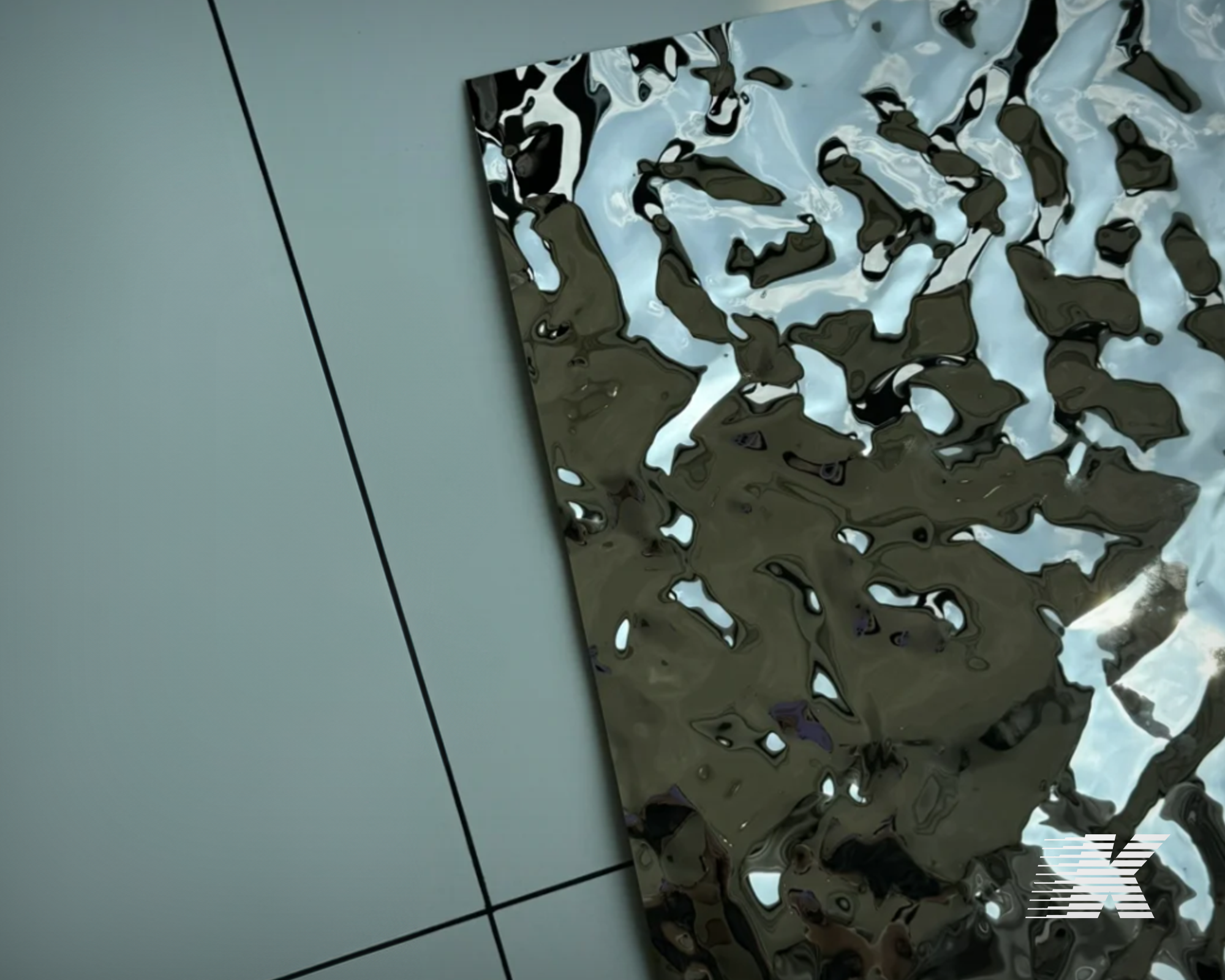
Performance and Versatility
When it comes to performance, water ripple stainless steel panels excel in both functionality and style. Their versatile nature allows them to be used in a wide range of applications, from commercial buildings to residential interiors. Whether you're looking to add a modern touch to a restaurant in Spain or create an elegant lobby in a hotel in Switzerland, these panels offer the flexibility to suit various design themes. In comparison, traditional metal wall panels may not provide the same level of adaptability. They often come in standard shapes and finishes, limiting creative possibilities. However, with the innovative designs offered by Kuometal, including Custom Aged Metal Decorative Panels, architects and designers can push the boundaries of conventional aesthetics. This versatility not only enhances the visual appeal but also improves the overall user experience in any given space. Another aspect worth noting is the ease of maintenance associated with water ripple stainless steel panels. Their smooth surfaces are less likely to accumulate dirt and grime, making cleaning simple and efficient. In contrast, traditional panels might require more frequent upkeep to maintain their appearance. This practical advantage makes water ripple panels an attractive option for busy environments across Europe, Southeast Asia, and the Americas.
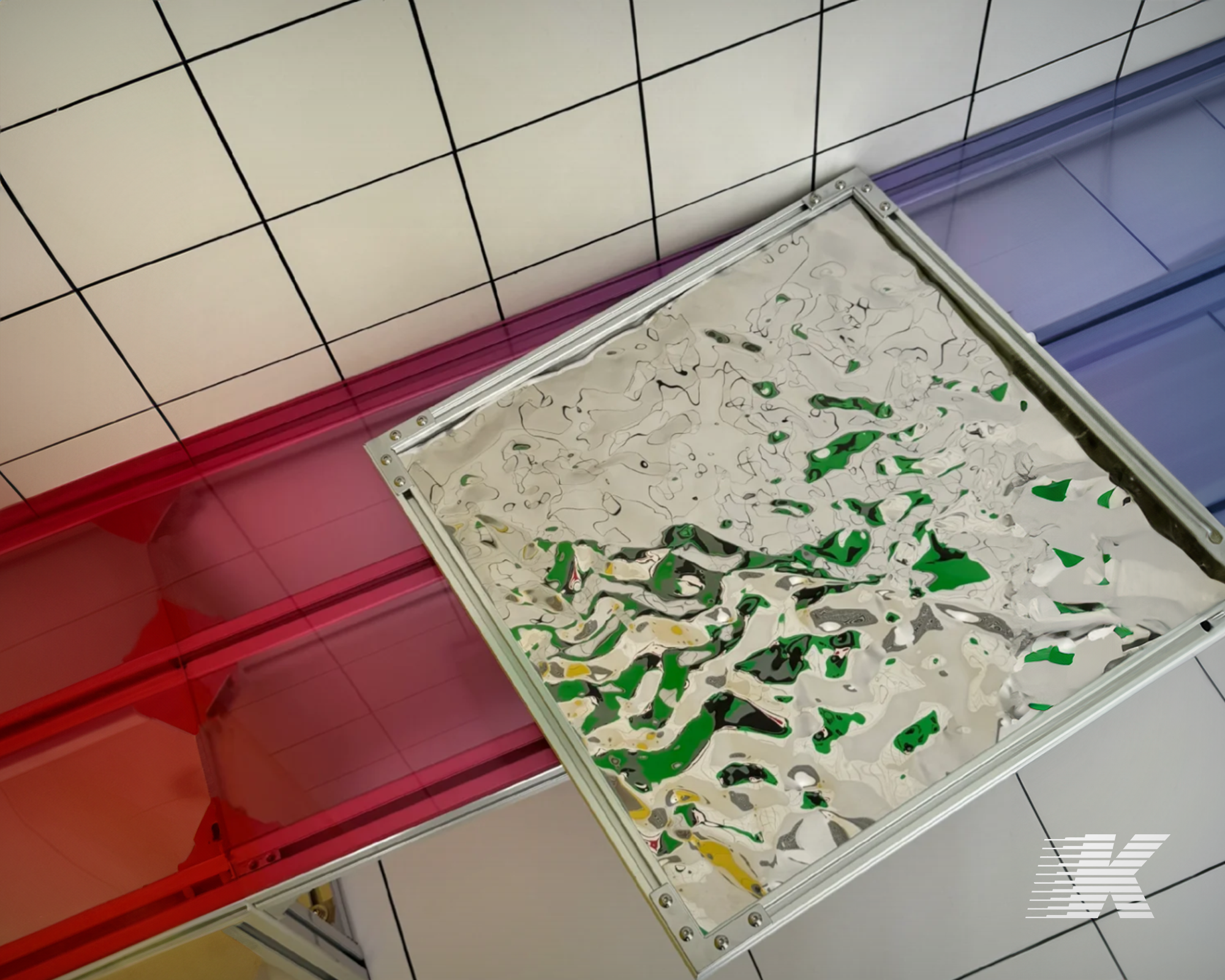
Cost and Sustainability Considerations
While the initial investment in water ripple stainless steel panels may be higher than that of traditional metal wall panels, the long-term benefits often outweigh the upfront costs. The durability and low maintenance requirements of these panels lead to reduced replacement and repair expenses over time. For businesses in countries like Australia and Canada, this can translate to significant cost savings in the long run. Sustainability is another key factor driving the preference for water ripple stainless steel panels. As eco-conscious design becomes increasingly important, materials that offer longevity and minimal environmental impact are in high demand. Stainless steel is recyclable, and its use in construction aligns with sustainable building practices. By choosing products like Kuometal’s Custom Aged Metal Decorative Panels, clients are making a responsible choice that reflects their commitment to sustainability. Moreover, the unique design of water ripple panels contributes to energy efficiency. Their reflective surfaces can help in reducing ambient heat, potentially lowering energy costs associated with heating and cooling. This feature is particularly advantageous in regions such as Southeast Asia and parts of the United States, where climate control can significantly impact operational expenses.