
Can water ripple stainless steel panels be used for exterior cladding?
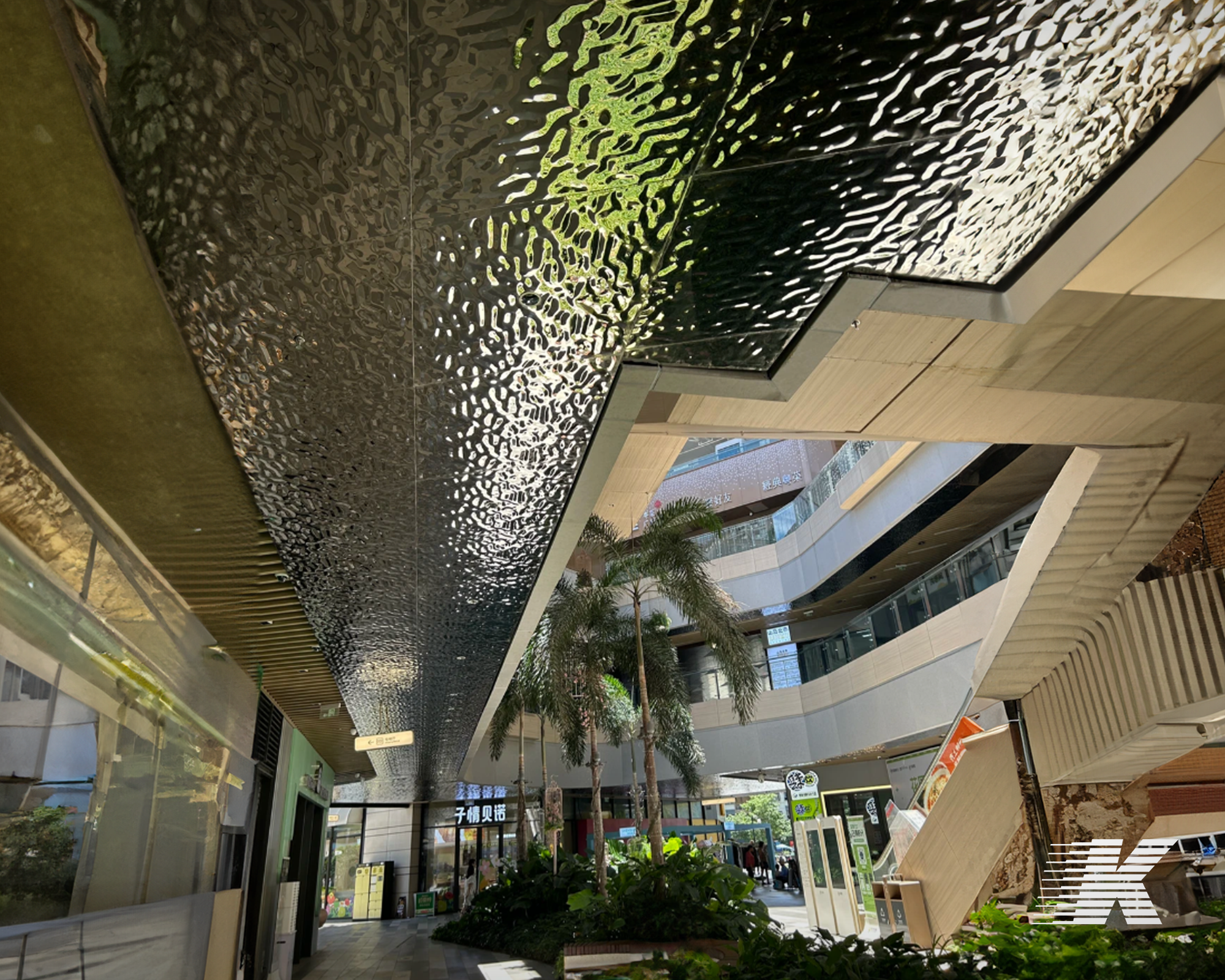
Advantages of Water Ripple Stainless Steel Panels
Water ripple stainless steel panels offer a unique aesthetic that can enhance the visual appeal of any exterior cladding project. The textured surface creates a dynamic interplay of light and shadow, making buildings more visually interesting. This distinct design feature is particularly attractive in modern architecture, where bold statements are often desired. Beyond their aesthetic benefits, these panels are also highly durable. Stainless steel is known for its resistance to corrosion, making it an ideal choice for exterior applications. This durability ensures that the panels can withstand harsh weather conditions, including rain, snow, and UV radiation, while maintaining their integrity and appearance over time.
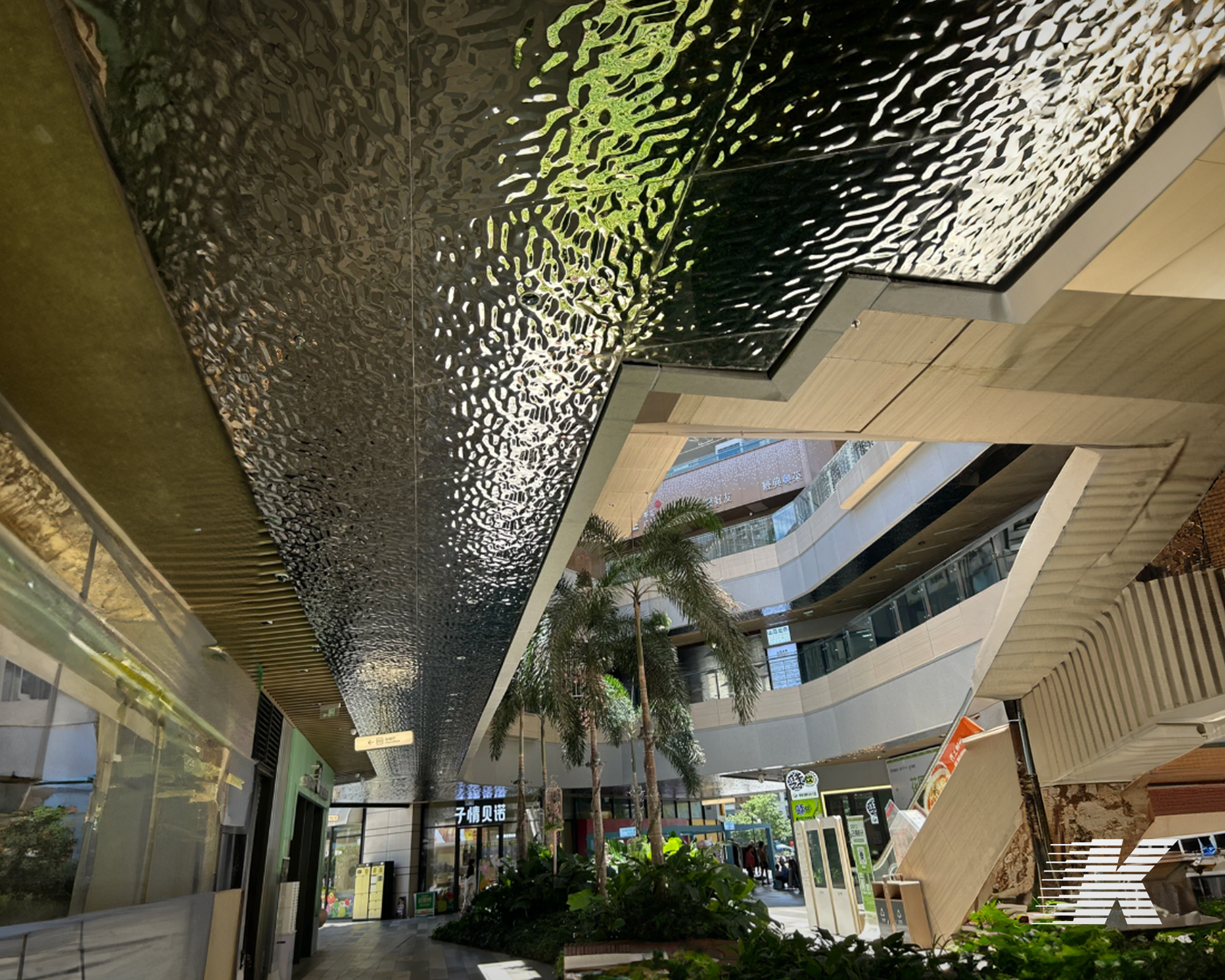
Installation Considerations
Installing water ripple stainless steel panels requires careful planning and execution. The panels can be quite heavy, necessitating a solid framing structure that can support their weight. Additionally, proper sealing techniques should be employed to prevent moisture accumulation behind the panels, which could lead to potential damage. It is also important to consider the thermal expansion properties of stainless steel. As temperatures fluctuate, the material will expand and contract. Installers must account for this movement to avoid warping or buckling of the panels. Adequate spacing and fastening techniques can help mitigate these issues, ensuring a long-lasting installation.
Maintenance and Care
Maintaining water ripple stainless steel panels is relatively straightforward. Regular cleaning can help preserve their shine and prevent the buildup of dirt and grime. A simple wash with mild soap and water is usually sufficient, but it’s essential to avoid abrasive cleaners that could scratch the surface. While stainless steel is resistant to rust, it is not entirely immune to staining. In areas with high pollution or coastal environments, periodic inspections may be necessary to address any staining or tarnishing. Taking proactive measures can extend the life of the panels and keep them looking their best for years to come.